URLGate
 News
Short notes on paid links and the best way to monetize links for people and AI agents: link paywalls, HTTP 402 and x402 payments in USDC.
-
Write a paid link people want to open
A Urlgate shortlink asks for a small USDC payment before it opens. That price is easy to pay, but only if the reader already knows what is behind the link. The words you post next to it do most of the selling.
-
Sell access to a file with one link
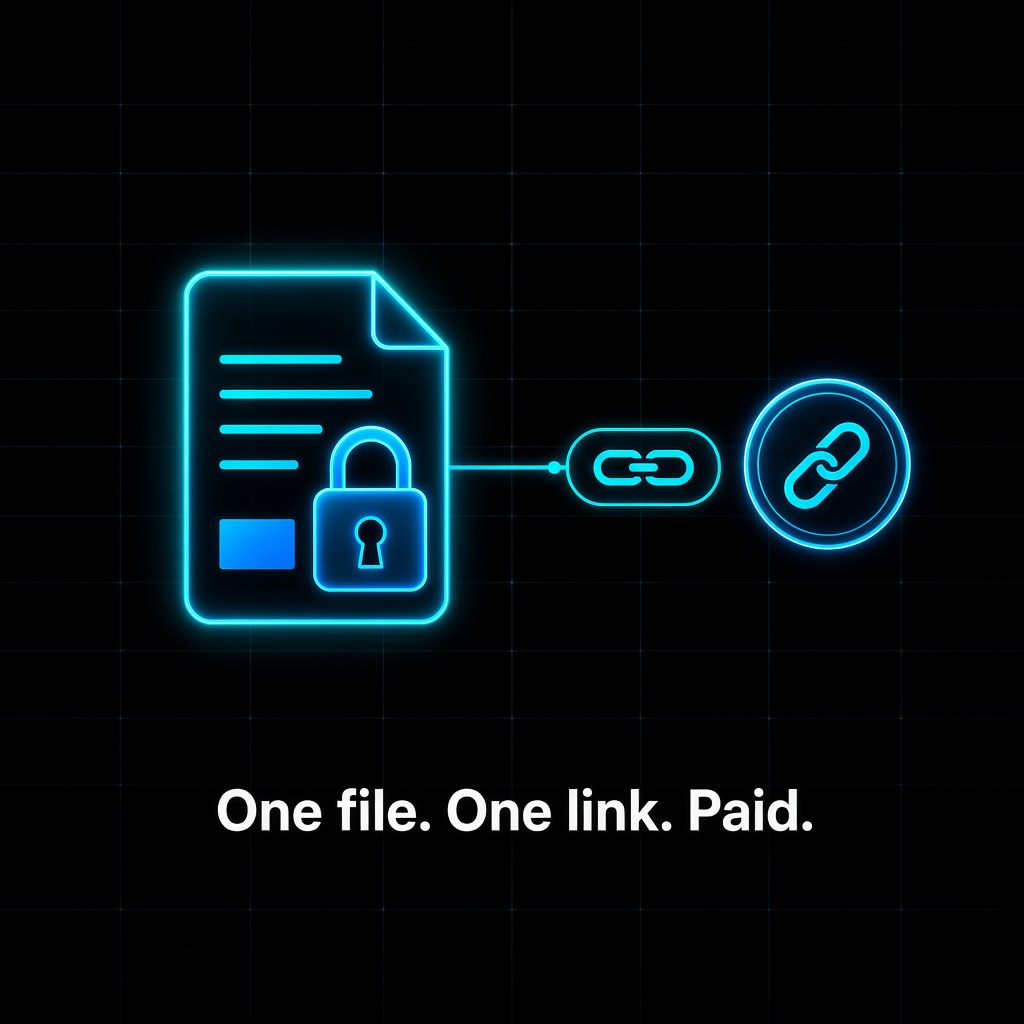
Say you wrote a 20-page research report, built a spreadsheet template, or cleaned up a dataset. People ask for it, and you would like to charge a little. The usual path means picking a store, building a product page, and handling checkout. With Urlgate, the file stays where it already lives and the link does the selling.
-
Paywall a link with just a wallet
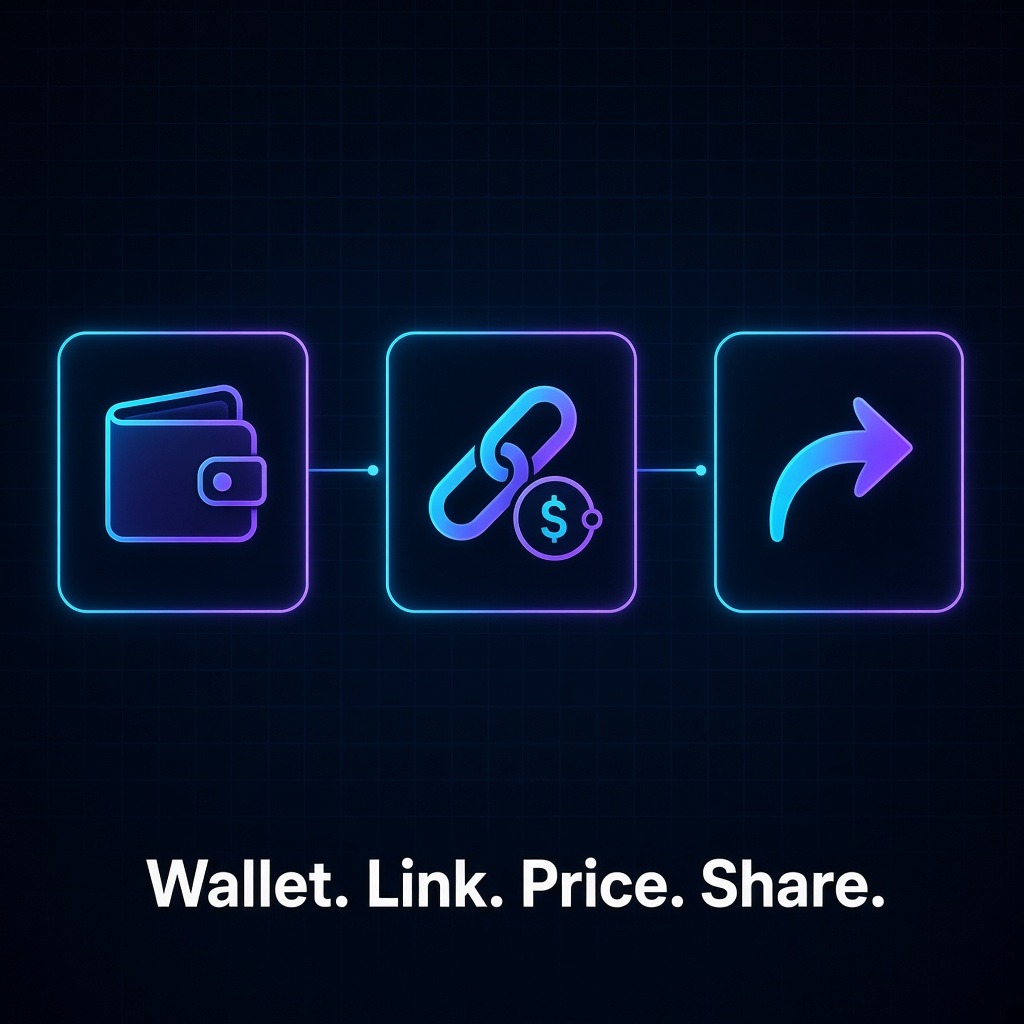
Most ways to sell access to a file or page start with paperwork: create an account, pick a password, set up a store, wire up a checkout. Urlgate starts with the wallet you already have.
-
Monetize links where you already share them
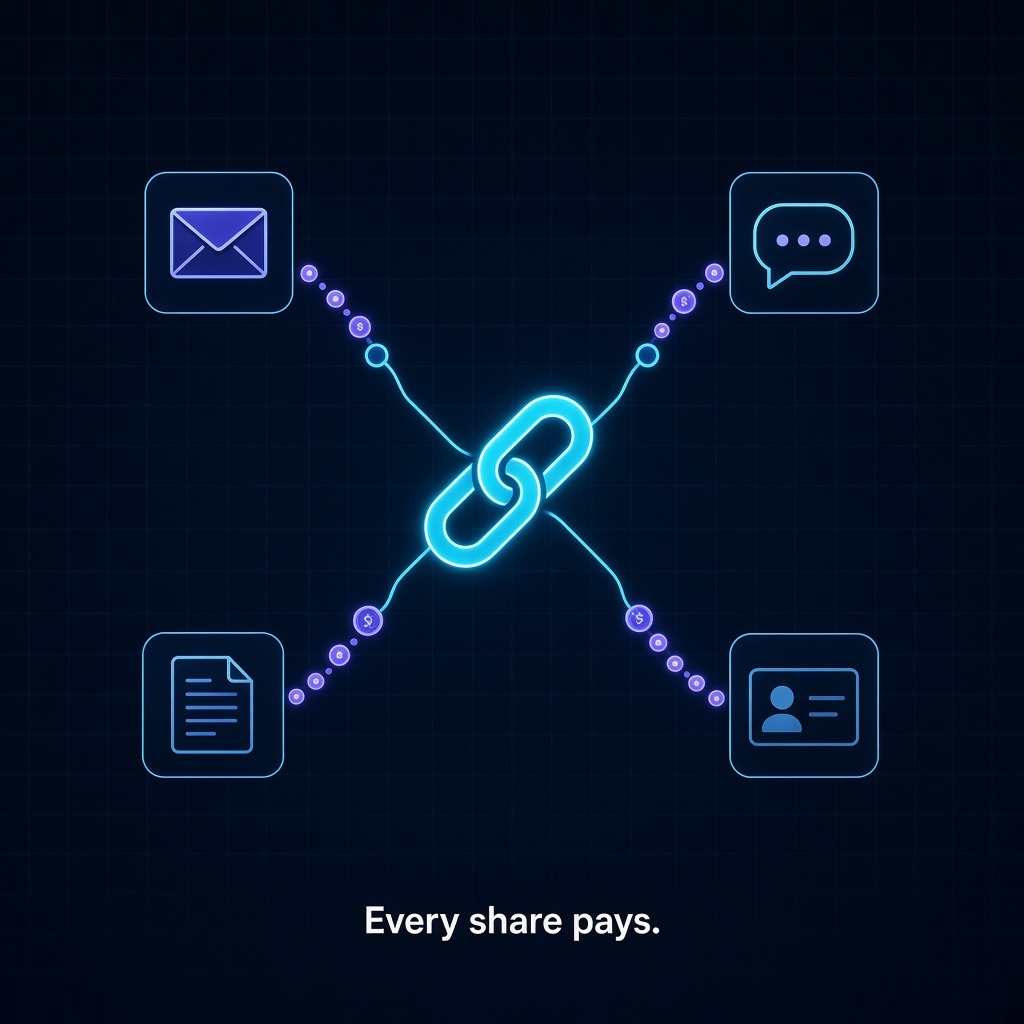
Most creators already have distribution. A newsletter goes out every week. A group chat or community asks for the same file again and again. A link in bio gets tapped every day. The clicks are there. What is missing is a way to charge for the one thing behind the link without building a store.
-
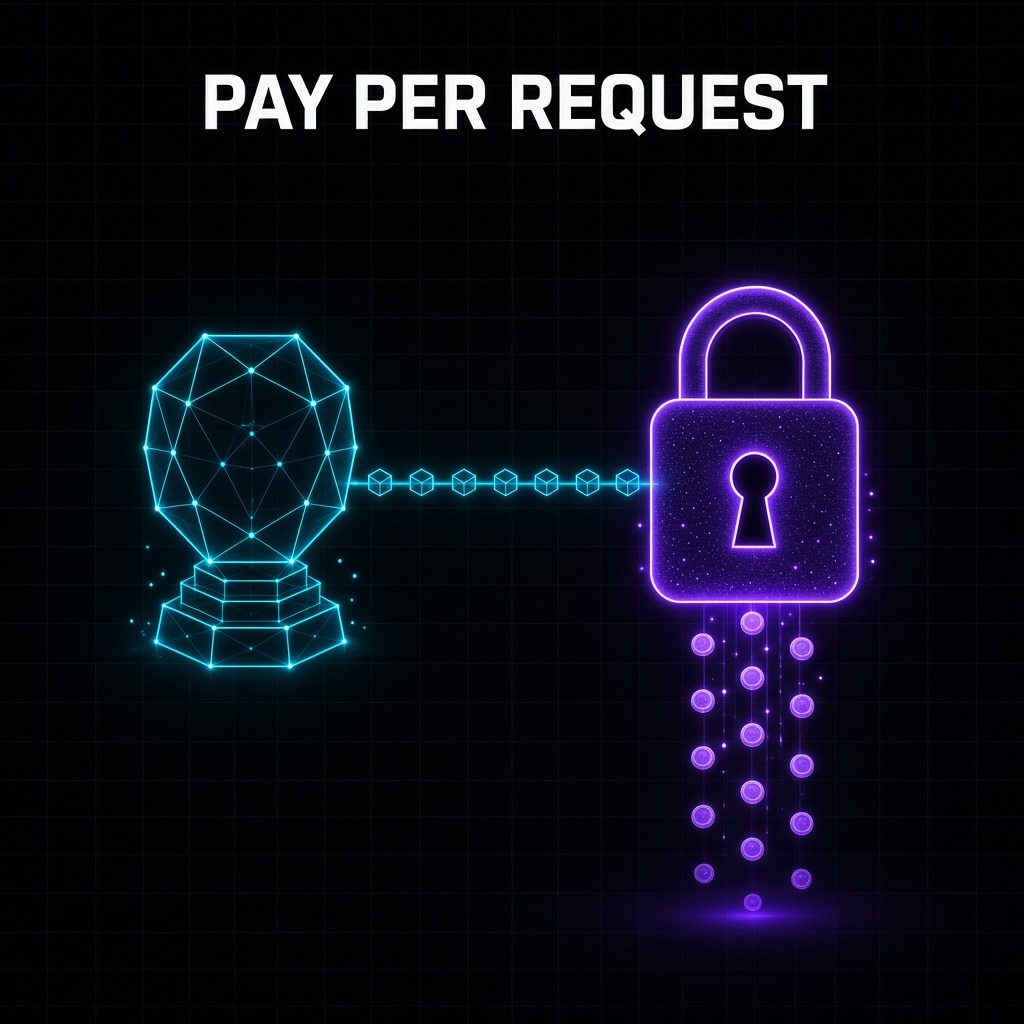
Charge AI agents per request with x402, no API keys required
AI agents are starting to fetch data, call APIs, and read pages on their own. Most of what they hit is either free or locked behind an API key that a human had to sign up for. x402 adds a third option: the agent pays for the request itself.
-
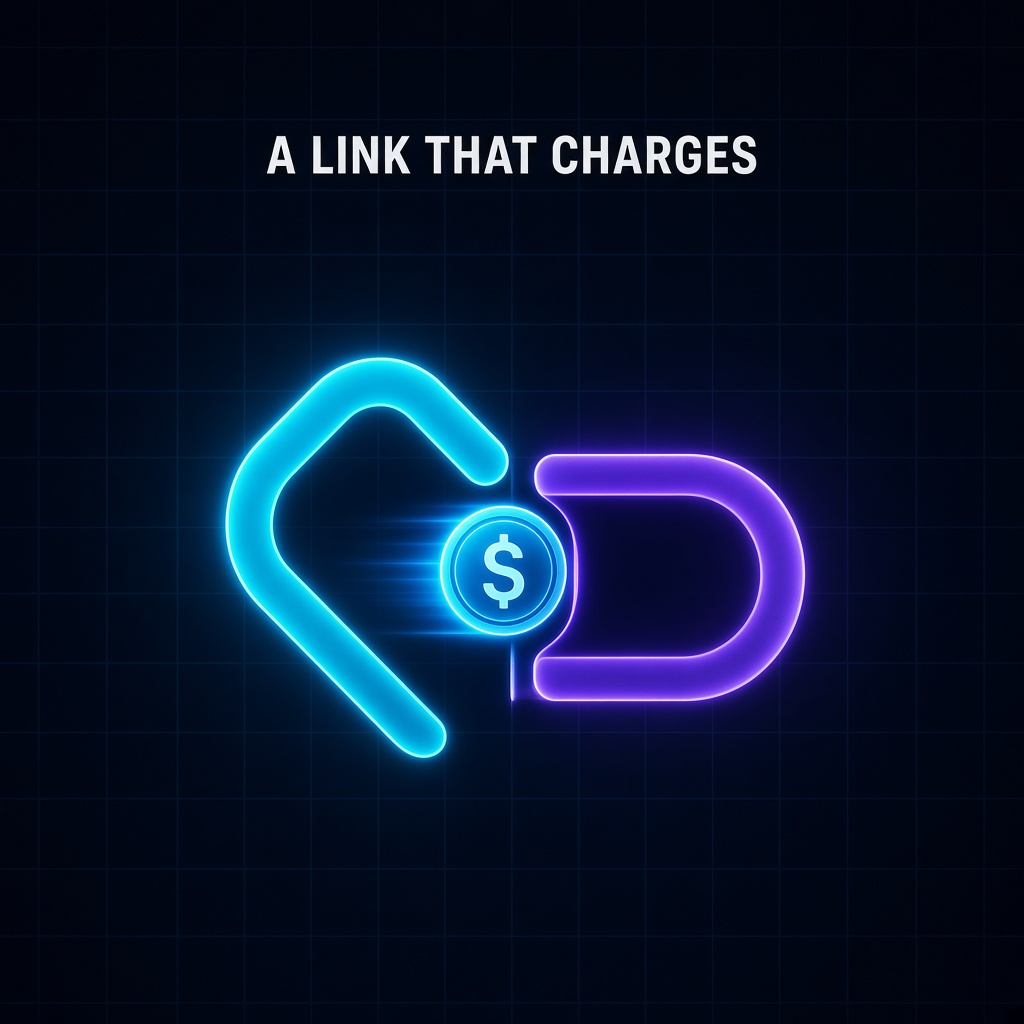
A link that charges. What Urlgate is, in one page.
Most links are free by default. Urlgate makes one that charges.
-
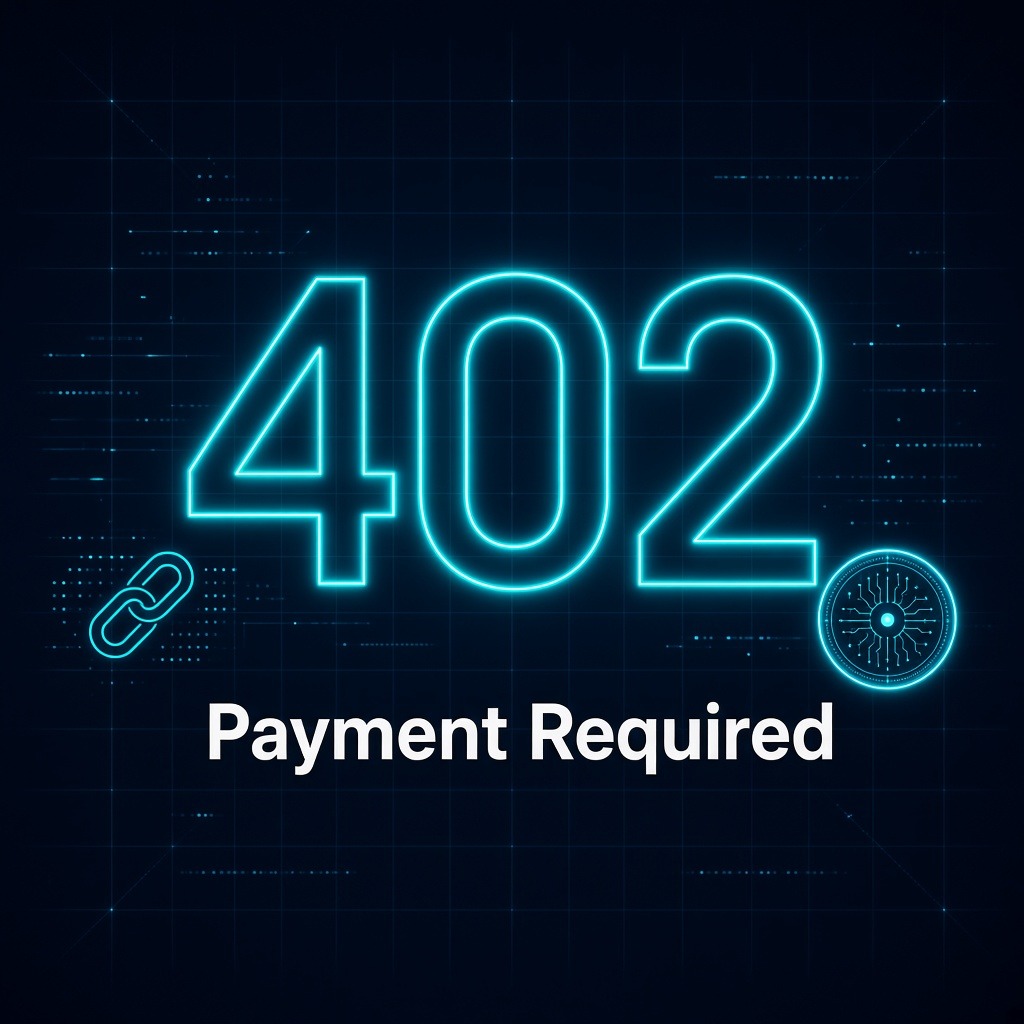
HTTP 402 means Payment Required. x402 puts it to work.
HTTP 402 means Payment Required. The status code has been reserved on the web for decades and barely used. Most sites that charge for a page still invent their own checkout flow, a new account, or an API key.
-
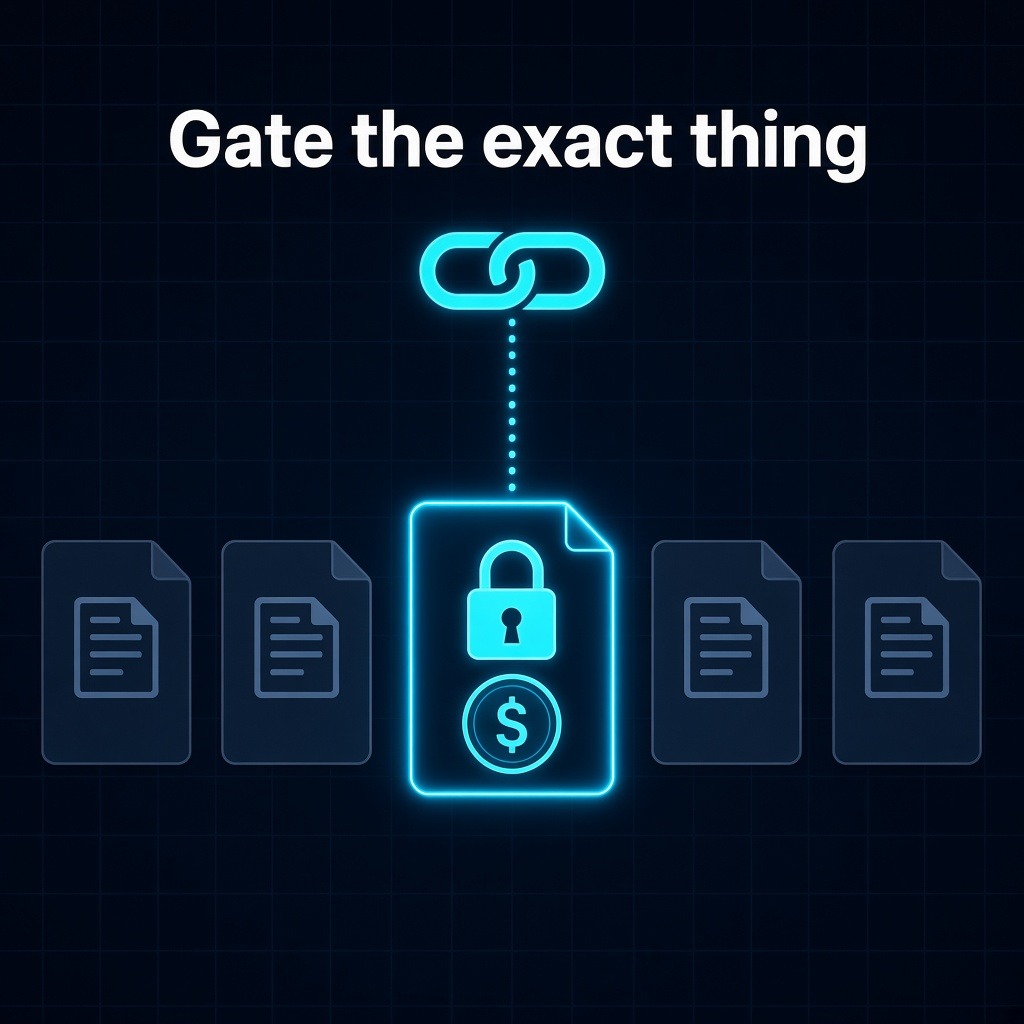
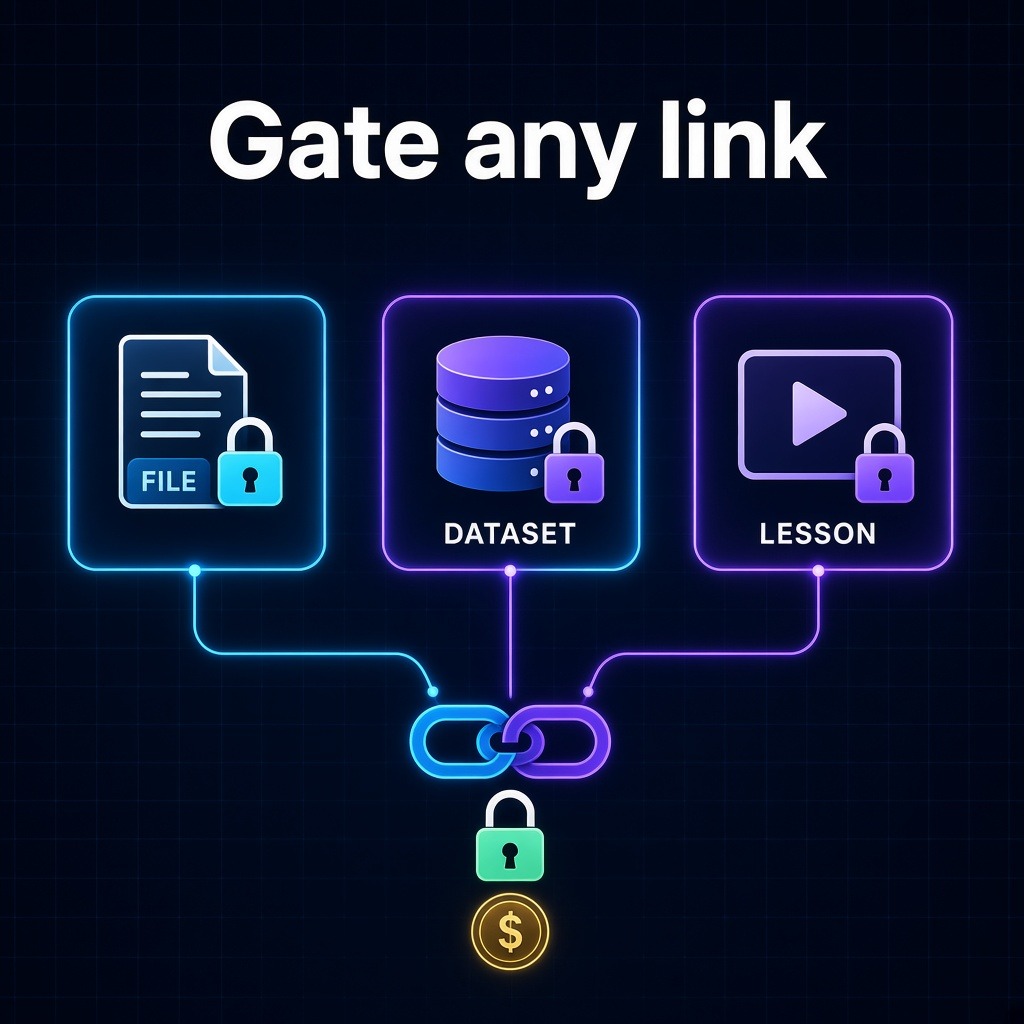
Gate the exact file, not your homepage
A common mistake when you monetize links is to point the paid shortlink at a homepage or a whole site. The buyer pays and then has to hunt for the thing they bought. A clearer pattern is to paywall a file, a report, or an API endpoint: gate the exact thing.
-
Sell access to a link without building a storefront
If you have a prompt pack, a dataset download, or a single course lesson, you should not need a full storefront to get paid for it. One practical way to monetize links is to put a pay-per-link shortlink in front of the file or page itself.